I’ve spent countless hours exploring online casinos, and if there’s one tool I always use before placing a single bet, it’s the payout table https://nightluck.eu/. At Night Luck Casino, these tables aren’t buried in a dusty help file — they’re right there inside every game, ready to show you exactly what each winning combination pays. Whether you’re trying a flashy slot, playing blackjack, or joining a live dealer stream, understanding the payout table converts you from a hopeful punter into an informed player. It tells you the return on each stake, how bonus features trigger, and what the house edge appears as. I’m going to walk you through everything you need to know, from the basics to the nitty-gritty details that can genuinely improve your sessions. Once you understand how these tables work, you’ll never see a game the same way again.
What Specifically Is a Casino Payout Table?
A casino payout table is basically a game’s rulebook and reward chart combined into one. It presents every possible winning outcome, the symbols or hands that trigger them, and the corresponding payout multiplier based on your stake. In slots, you’ll see a grid of symbols with values such as “5 of a kind pays 500x your line bet.” In table games, the table shows odds for different bets, including blackjack paying 3 to 2 or a single number in roulette paying 35 to 1. I think of it as a transparency tool — it reveals the mathematics that govern each spin or hand. At Night Luck Casino, you can access the payout table by clicking the “i” or “paytable” button inside any game, and I consistently recommend studying it before you commit real money. It’s the fastest way to gauge whether a game matches your budget and playing style.
The information inside a payout table goes far beyond simple win amounts. You’ll often find details about wild symbols, scatter pays, bonus round triggers, and even the game’s volatility or hit frequency if the provider is liberal enough to include them. For example, a slot might show that three scatter symbols anywhere on the reels grant 10 free spins with a 3x multiplier. Without the payout table, you’d be guessing how features activate. When I first started playing at Night Luck Casino, I made the mistake of ignoring these tables and missed out on understanding how a progressive jackpot was truly triggered. Now I treat the payout table as my pre-game checklist, and it’s saved me from some costly misunderstandings.
It’s also worth noting that payout tables aren’t static marketing fluff — they represent the actual mathematical model programmed into the game’s software. Regulated casinos like Night Luck Casino use games from reputable developers whose payout structures are tested and certified. This means the numbers you see are the real odds, not a rough estimate. I always tell new players that the payout table is your contract with the game. If it says a full house pays 9 to 1 in video poker, that’s exactly what you’ll receive when the hand lands. The more you accustom yourself with these tables, the more confident you’ll feel navigating the entire game library.
Reading a Slot Payout Table: Game Symbols, Win Lines, and Special Features
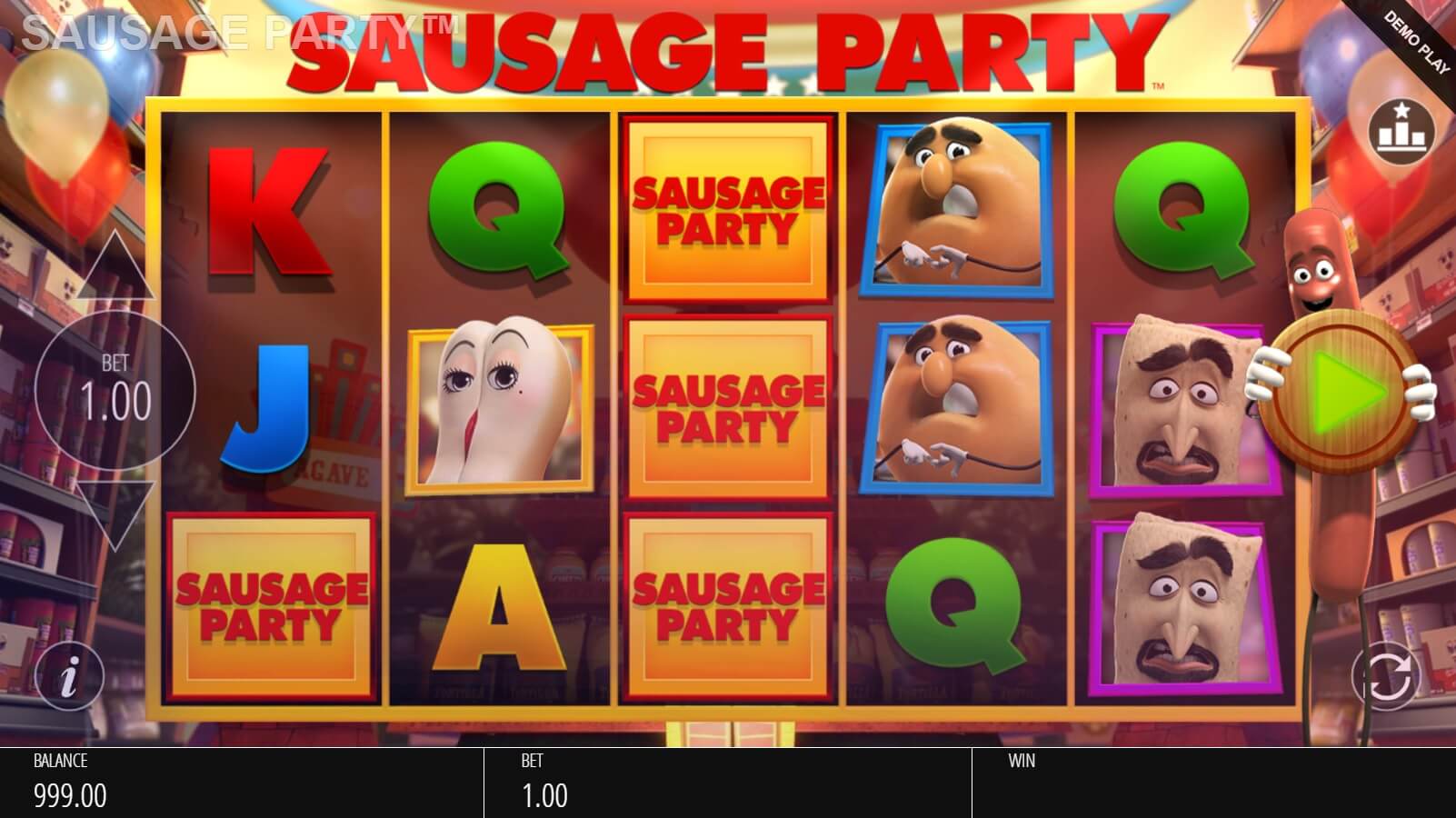
When I access a slot payout table at Night Luck Casino, the first thing I look for is the symbol hierarchy. High-value symbols usually tie into the game’s theme — imagine ancient gods, treasure chests, or exotic animals — and they pay the most for five-of-a-kind combinations. Standard symbols are often stylised card ranks like J, Q, K, and A, giving smaller but more frequent wins. The table will display each symbol and its payout multiplier for three, four, and five matches on an active payline. I always observe the gap between the top symbol’s payout and the second-highest, because a steep drop-off often indicates a high-volatility game where big wins come from rare symbol combinations. This enables me determine how much I’m willing to bet per spin.
Winning lines are the next essential element. A modern slot can have between 10 to over 100,000 winning ways, and the payout table details how these lines are arranged. Some games use locked paylines where you bet on all of them automatically, while others let you change the number of active lines. The table will also reveal you the direction of pay — commonly left to right, but some slots pay both ways. I’ve spent many evenings at Night Luck Casino testing games with the “ways to win” mechanic, and the payout table is crucial for understanding that you don’t need symbols on a specific line; you just need matching symbols on adjacent reels. The table often includes a visual diagram of winning combinations, which is a godsend when you’re trying to figure out why a scatter symbol paid even though it wasn’t on a payline.
Wild symbols, Scatters, and Unique Symbols
Special icons are where slots truly come to life, and the payout table dedicates significant space to them. The wild symbol generally stands in for all regular symbols to complete winning combinations, but it commonly comes with its own payout if you land multiple wilds on a payline. Some wilds are stacked, expanding, or sticky during free spins, and the table will detail these behaviours. The scatter symbol is usually the key to free spins or bonus rounds, and the payout table tells you exactly how many scatters you need and what you’ll obtain. At Night Luck Casino, I’ve found slots where three scatters grant 10 free spins, four award 15 with a 2x multiplier, and five unlock 20 free spins with a 3x multiplier. Without the table, you’d never know that getting that fourth scatter was worthwhile holding out for.
Bonus Feature Mechanics and Multiplier Effects
Several slots feature interactive bonus rounds that are entirely separate from the base game reels, and the payout table provides a roadmap for these. You may see a pick-me game where you choose from hidden objects to reveal instant cash prizes, or a wheel of fortune that awards multipliers. The table will describe the rules of the feature, the possible prizes, and how they correspond to your total bet. I always read this section carefully because some bonus rounds have a guaranteed minimum win, while others can potentially pay zero. When I’m playing at Night Luck Casino, I feel much more confident triggering a bonus if I already know the range of outcomes. This knowledge also assists me manage my expectations — if the table shows that the maximum bonus win is 500x my stake, I won’t be disappointed when I don’t hit a life-changing jackpot during that feature.
The distinction Between Payout Tables for Slots, Table-Based Games, and Live Gaming
Not all payout tables are alike, and that’s because each game category presents information in a way that matches its mechanics. Slot payout tables are the most graphically rich. They commonly show a grid of symbols with payout values for landing three, four, or five matching symbols on a payline. You’ll also see sections devoted to wilds, scatters, and bonus symbols, along with an explanation of how free spins or pick-and-click features trigger. At Night Luck Casino, I often scan the slot lobby and open the payout table before I even load the reels, just to see if the top symbol pays 500x or 5,000x my bet. That single number indicates a lot about the game’s volatility and potential.
Table game payout tables, on the other hand, are centered around odds and hand rankings. In blackjack, the table shows the payout for a natural blackjack, typically 3:2, and may include side bet payouts like perfect pairs or 21+3. In roulette, the table is literally the betting layout, showing inside and outside bets with their individual payouts — a straight-up bet pays 35:1, a split pays 17:1, a corner pays 8:1, and the like. Baccarat payout tables are incredibly simple: a winning banker bet pays 0.95:1 (due to commission), player pays 1:1, and tie usually pays 8:1 or 9:1. I find that table game payout tables at Night Luck Casino are consistently clearly displayed on the felt, making it easy to place informed bets whether you’re new to the game.
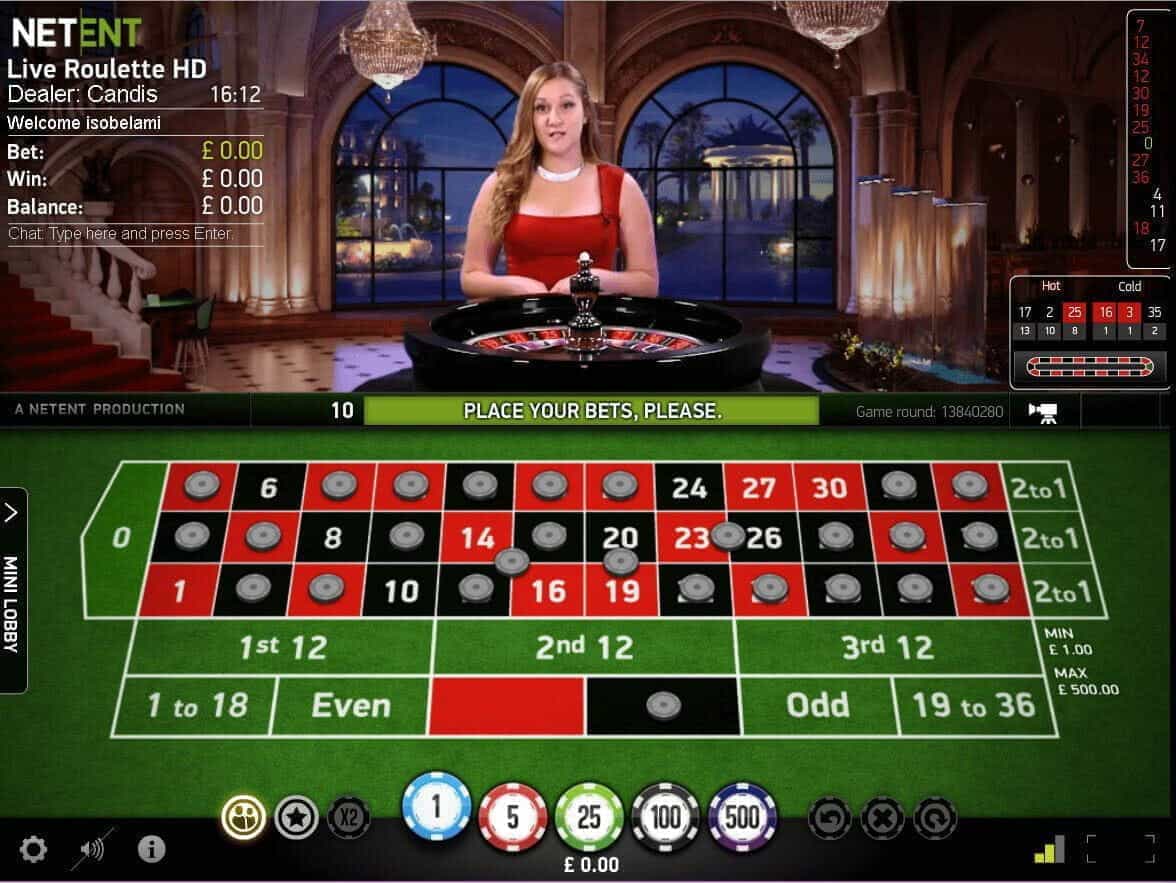
Live casino payout tables span the gap between online and land-based. Because you’re viewing a real dealer in a studio, the payout information is frequently overlaid on the video stream or reachable via a help button. The rules and payouts are equivalent to their RNG counterparts, but the presentation feels more captivating. For instance, when I play live roulette at Night Luck Casino, I can see the racetrack and the standard betting grid, and a quick tap brings up the exact payouts for neighbour bets and call bets. This is notably handy for UK players who enjoy French roulette with its La Partage rule, which effectively improves the RTP on even-money bets. The payout table will clearly state if that rule is in effect, and I always check because it can cut the house edge in half.
A major distinction I frequently point out is that slot payout tables are often static for the base game but may shift during bonus rounds. A free spins feature may bring in a different set of reels with more valuable symbols or stacked wilds, and the payout table often contains a separate section explaining this. In contrast, table game payouts are fixed unless you are playing a variant with optional side bets. At Night Luck Casino, I’ve seen slots where the bonus round payout table is shown only once you trigger the feature, which adds an element of discovery. No matter the game type, the principle stays consistent: the payout table is your map of what you can expect, and ignoring it is like driving without a satnav.
Payment Charts for Casino Table Games: Blackjack, Roulette Wheel, and Baccarat
Table game pay tables are pleasantly simple compared to slots, but they still carry key details that can affect your session. In blackjack, the critical number is the payout for a natural blackjack. A table that pays 3:2 gives you £15 for a £10 bet, while a 6:5 table pays only £12. That difference boosts the house edge by nearly 1.4%, which is enormous over time. At Night Luck Casino, I always check the felt or the game rules to confirm the blackjack payout before I take a seat. The payout table will also list side bet payouts, such as 25:1 for a suited pair or 100:1 for three sevens, but I view these as fun rather than a core strategy because the house edge on side bets is generally much higher.
Roulette payout tables are strikingly symmetrical, and once you learn them, they turn into second nature. A straight-up bet on any single number offers 35:1, a split bet on two numbers returns 17:1, a street on three numbers offers 11:1, a corner on four pays 8:1, a six-line pays 5:1, and outside bets like red/black, odd/even, and high/low give 1:1. Dozens and columns offer 2:1. The table layout at Night Luck Casino’s roulette games presents these payouts right next to the betting area, so you don’t need to memorise them. What the payout table doesn’t always show, however, is the impact of the zero or double zero. European roulette with a single zero has a house edge of 2.7%, while American roulette with a double zero jumps to 5.26%. I always choose the single-zero wheel, and the game rules section will confirm which variant you’re playing.
Baccarat is perhaps the simplest table game when it comes to payouts, but there are subtleties that the payout table clarifies. A winning player hand offers 1:1, a winning banker hand pays 0.95:1 (representing the 5% commission), and a tie typically pays 8:1 or sometimes 9:1. Some baccarat tables at Night Luck Casino also feature side bets including player pair or banker pair, which payout 11:1. The payout table will show these odds and often include a brief explanation of the third-card rule, though that’s more related to game mechanics than direct payouts. I find that grasping the banker bet’s commission is essential because it’s still the bet with the smallest house edge at around 1.06%, even after the commission is taken. The payout table makes this transparent, and I always tell fellow players that the tie bet’s high payout comes with a house edge north of 14%, so it’s wise treated carefully.
Video poker fills a unique middle ground, and its payout table is the most strategy-critical of all. The paytable for a game like Jacks or Better reveals the payout for each hand from a pair of jacks up to a royal flush, and the numbers change between variants. A full-pay 9/6 Jacks or Better game offers 9 coins for a full house and 6 for a flush, offering an RTP of 99.54% with optimal play. A short-pay 8/5 version lowers that RTP significantly. At Night Luck Casino, I always pull up the paytable before playing video poker, because the difference between a 9/6 and an 8/5 machine is the difference between a nearly break-even game and one that devours your bankroll faster. The payout table is your single best tool for finding the most generous machines on the floor.
How Payout Percentages Are Calculated and Confirmed
Supporting every payout table sits a crucial figure many players ignore: the return to player percentage, or RTP. This number reflects the theoretical amount a game pays back over millions of rounds. If a slot has a 96% RTP, it means that for every £100 wagered, the game is designed to return £96 in winnings over the long term, with the casino keeping £4 as the house edge. I want to stress that this is a statistical average, not a guarantee for your session. The payout table gives you the individual win amounts, while the RTP tells you how those wins aggregate over time. At Night Luck Casino, you’ll find that many games display their RTP right alongside the payout table, which is a sign of a trustworthy operator committed to fair play.
The calculation of these numbers isn’t left to chance. Independent testing laboratories such as eCOGRA, iTech Labs, and GLI thoroughly test the number generators and the payout logic of each title. They simulate billions of rounds to verify that the real outcomes align with the advertised RTP within a reasonable tolerance. When you gamble at a licensed UK-facing site such as Night Luck Casino, you can be confident that these audits are a standard part of the regulatory process. The licensing authority mandates ongoing verification, so the payout chart you see is backed by hard data, not hope. I always check the site footer of a casino website for testing certificates, and Night Luck Casino makes this information easy to find.
It’s crucial to know that different game categories have distinct typical RTP ranges. Video slots typically range between 94% and 98%, while traditional table games like blackjack can go above 99% when played with perfect strategy. The payout chart for a blackjack variant will reveal the precise payouts for a natural blackjack, the insurance bet, and even money, all of which directly impact the return to player. A variant that gives 6:5 for blackjack as opposed to 3:2 has a clearly inferior RTP, and the payout chart shows this immediately. I have observed players at Night Luck Casino inadvertently play at a 6:5 blackjack table and wonder why their funds deplete quicker. A quick glance at the paytable would have steered them towards a more favourable variant.
Live casino games introduce another layer of verification. The physical wheels, cards, and dice are monitored by multiple cameras and often by pit bosses who ensure everything runs correctly. The payout tables for live roulette or live blackjack at Night Luck Casino mirror those you’d find in a land-based establishment, but they’re displayed digitally on your screen. The RTP for these games is calculated based on the standard rules, and the casino has no way to alter the outcome of a real wheel spin. This transparency is why I personally love live dealer tables — the payout table is a direct reflection of the physical game, and you can watch every result unfold in real time.
The way Payout Tables Impact Your Strategy and Bankroll Management
I am convinced that a payout table is the foundation of any solid casino strategy. When I start playing at Night Luck Casino, I employ the payout table to set realistic expectations for my session. If a slot’s top symbol pays only 500x and the bonus round maxes out at 200x, I realize I’m dealing with a lower-volatility game that’s prone to yield smaller, more frequent wins. That implies I can stretch a modest bankroll over a longer period. In contrast, if the payout table shows a maximum win of 50,000x my stake, I understand that the game is highly volatile and I might need a larger balance to survive the dry spells. This simple piece of analysis has spared me from countless frustrating sessions where I was betting too high on a game that wasn’t designed for my budget.
Bankroll management becomes infinitely more manageable when you understand the payout structure. I like to split my session bankroll into buy-ins that reflect the game’s hit frequency, which you can often infer from the payout table. A slot with many small symbol payouts and regular scatter triggers will typically hit more often, so I can manage to play more spins with a smaller per-spin stake. At Night Luck Casino, I’ll often try a game in demo mode first, reviewing the payout table and then spinning a few hundred times to check if the reality corresponds to the table’s promises. This approach allows me adjust my real-money bets so that I’m never wagering more than I’m comfortable losing on a single spin or hand. The payout table gives me the data; I just have to apply a little discipline to utilize it wisely.
For casino table enthusiasts, the payout table immediately informs optimal strategy. In blackjack, recognizing that a natural pays 3:2 motivates me to bet more boldly when the count is favourable, while a 6:5 table pushes me to find a different seat. In roulette, the payout table shows me that even-money bets on a single-zero wheel have a much better chance of maintaining my bankroll than going after the 35:1 straight-up bets. I’ve logged hours at Night Luck Casino’s live blackjack tables, and I constantly check the side bet payouts to see if they offer any value. Typically, I focus on the main game because the payout table exposes the steep house edge on side bets. This targeted approach preserves my bankroll healthier and my sessions more entertaining.
Ultimately, I use payout tables to compare games within the same category. At Night Luck Casino, you might find several versions of roulette or dozens of blackjack variants. The payout table is the most efficient way to identify which one provides the best deal. A European roulette table with La Partage gives half your even-money bet back when the zero hits, practically lowering the house edge to 1.35%. A standard European table without this rule stands at 2.7%. That’s a massive difference, and it’s all explained in the game rules and payout information. I consistently to check these details before I commit, because over hundreds of spins, the better payout table leads directly into more money staying in my pocket. It’s not about ensuring wins — it’s about offering yourself the best possible chance.
FAQ
Do I need to understand payout tables when playing casino games?
You definitely can have fun without checking payout tables, yet I have learned that knowing them enhances the entire experience. When you understand how each symbol rewards and the way bonuses are triggered, you are not just simply pushing a button — you’re making informed choices. At Night Luck Casino, the payout tables are built to be accessible to newcomers, so even a quick glance will boost your confidence and assist you in choosing games that match your risk tolerance and budget.
Do payout tables remain identical across all online casinos?
The core information is typically the en.wikipedia.org same for the same game title, as the calculations is embedded in the software by the developer. However, some casinos might present exclusive variants with marginally adjusted paytables or RTP ranges. At Night Luck Casino, the games come directly from leading developers, so the payout tables you see are the official, certified versions. I always recommend examining the specific game rules at the casino you are gaming at to be absolutely sure.
Is a payout table able to indicate if a slot is about to pay out?
Not at all, a payout table is unable to predict future outcomes. It simply shows the fixed rewards for each winning combination and outlines the rules. Every spin is individual, governed by a random number generator. I realize it’s enticing to look for patterns, but the table is a resource, not a crystal ball. At Night Luck Casino, all games are regularly tested for fairness, so the results are genuinely random regardless of what the payout table shows.
In what way do I find the payout table on a mobile device at Night Luck Casino?
On mobile, the process is just as straightforward as on desktop. Inside any game, look for a small “i”, “?”, or menu icon — commonly in the corner of the screen. Tapping it opens the game rules and payout table. Night Luck Casino’s mobile platform is fully optimised, so the information is legible and easy to scroll through, even on smaller screens. I often check paytables on my phone during a quick session without any hassle.
Can live casino games have payout tables?
Certainly. Live dealer games at Night Luck Casino display payout information directly on the betting interface or via a help button. You’ll see the standard blackjack, roulette, and baccarat payouts plainly listed, along with any side bet odds. The rules are the same as their land-based equivalents, and the digital overlay guarantees you never have to guess what a winning hand or number will pay. I invariably review the live game’s paytable before placing my first bet.
Why do some slots have different payout tables for the bonus round?
Many modern slots include bonus rounds with enhanced reels, alternate symbol sets, or added multipliers that temporarily change the payout structure. The base game paytable is consistent, but the bonus round may introduce higher-paying symbols or special wilds. At Night Luck Casino, you’ll often find a separate section in the paytable describing these changes. I always review it so I know exactly what to expect when the free spins start spinning.